

Introduction: Why Self-Exclusion Matters for New Zealand Players
For Kiwis venturing into the world of online casinos, understanding self-exclusion is paramount. It’s a crucial tool for responsible gambling, allowing players to take a break from gaming when they feel they’re losing control. Self-exclusion enables individuals to block themselves from accessing a casino’s services for a set period, offering a vital safety net. However, not all casinos make this process easy. Some, unfortunately, may intentionally create obstacles, making it difficult for players to effectively self-exclude. This article delves into how New Zealand players can identify when a casino is deliberately making the self-exclusion process difficult, and why it’s so critical to recognize these tactics. Knowing your rights and being vigilant is key to protecting yourself. Before you even begin playing, it’s wise to research reputable platforms. A good starting point is checking out a top casinos list to get a sense of which operators prioritize player well-being.
Red Flags: Identifying Obstacles in the Self-Exclusion Process
Hidden or Obscure Self-Exclusion Information
One of the first signs of a problematic casino is a lack of readily available information about self-exclusion. Reputable casinos will prominently display this information, often in their terms and conditions, FAQ sections, or a dedicated “Responsible Gambling” page. If you find yourself struggling to locate this information, or if it’s buried deep within a complex legal document, it’s a significant red flag. A casino that prioritizes player welfare will make this information easily accessible and understandable.
Complex or Cumbersome Application Procedures
The process of self-exclusion should be straightforward. However, some casinos make it intentionally complex. This can involve requiring excessive documentation, lengthy forms with confusing jargon, or multiple steps that are difficult to navigate. Be wary of casinos that demand a physical letter, notarization, or other unnecessary hurdles. A legitimate casino understands the urgency of self-exclusion and will streamline the application process to ensure it’s as quick and easy as possible.
Unresponsive or Unhelpful Customer Support
Customer support is a critical component of any online casino. If you’re attempting to self-exclude and encounter unhelpful or unresponsive customer service representatives, it’s a major cause for concern. Delays in responding to your request, evasive answers, or a general lack of empathy are all warning signs. A casino that values its players will have a dedicated and well-trained customer support team that can promptly and efficiently handle self-exclusion requests.
Ineffective Implementation of Self-Exclusion
Perhaps the most concerning sign is when a casino fails to uphold its self-exclusion agreements. This can manifest in several ways: continued access to your account, receiving promotional emails despite self-excluding, or being able to deposit funds. If a casino allows you to circumvent your self-exclusion, it’s a clear indication of a disregard for responsible gambling practices. Always keep records of your self-exclusion request, including dates, times, and any correspondence with the casino.
Unclear or Unfair Terms and Conditions Regarding Self-Exclusion
Carefully review the casino’s terms and conditions regarding self-exclusion. Look for clauses that are vague, ambiguous, or appear designed to limit your rights. For example, some casinos might state they’re not responsible for enforcing self-exclusion if you use a different email address or payment method. Others might impose lengthy waiting periods before self-exclusion takes effect. Such terms and conditions should be viewed with skepticism.
Taking Action: What to Do If You Suspect a Casino is Hindering Self-Exclusion
Document Everything
Keep detailed records of all your interactions with the casino. This includes screenshots of the self-exclusion process, copies of emails, chat logs with customer support, and any other relevant documentation. This information will be crucial if you need to escalate your complaint.
Contact the Casino’s Licensing Authority
Most reputable online casinos are licensed and regulated by a gambling authority. If you believe a casino is deliberately making self-exclusion difficult, contact the licensing authority. They have the power to investigate your complaint and take action against the casino, which could include fines or even revocation of their license. The licensing information is usually found at the bottom of the casino’s website.
Seek Independent Advice
If you’re unsure about your rights or how to proceed, seek advice from a gambling support organization or a legal professional. These organizations can provide guidance and support, and help you navigate the complexities of the situation. They can also offer resources and support to address any gambling-related issues.
Consider Alternative Platforms
If you’ve had a negative experience with a particular casino, consider switching to a more reputable platform. There are many online casinos that prioritize responsible gambling and offer a user-friendly self-exclusion process. Researching and choosing a casino with a strong reputation for player welfare is essential.
Conclusion: Prioritizing Your Wellbeing
Self-exclusion is a vital tool for responsible gambling, and it’s essential for Kiwi players to be aware of the tactics some casinos use to make the process difficult. By recognizing the red flags outlined in this article, you can protect yourself and your finances. Remember to document everything, contact the licensing authority if necessary, and seek independent advice when needed. Prioritizing your well-being is paramount. Choosing to play at reputable online casinos that value player safety and make self-exclusion easy to access is a crucial step in ensuring a positive and responsible gambling experience. Always remember that you have the right to take a break, and a trustworthy casino will support you in doing so.

 Makeup
 GEL
GEL Oils
Oils Perfumes
 Scrubs
 Headphones Cases
 Mobile Accessories
 Footwear
 Jewelry
 Men’s Clothing
 Sunglasses
 Watches
 Women’s Clothing
 Chocolate
 Honey
Honey Oil
Oil Supplement
 Flowers
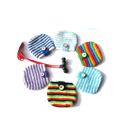 Headphones Cases
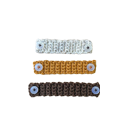 Ear Savers
 Flowers Decorations
 Cups
Cups Accessories
 Makeup removal
 Oils
Oils Scrubs
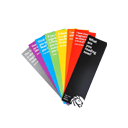 Bookmarks
 Stickers
 Thermal paper