


Understanding RTP in Online Slots: What Players Need to Know
Return to Player (RTP) is one of the most important metrics for anyone interested in online slots. If you’re considering spinning the reels at your favorite online casino, understanding this concept can significantly impact your gaming decisions.
What Is RTP?
RTP represents the percentage of all wagered money that an online slot machine returns to players over time. For example, a slot with 96% RTP theoretically returns $96 for every $100 wagered. However, this is calculated across millions of spins, not individual sessions.
Why RTP Matters
Higher RTP percentages generally offer better value to players. Most online casinos feature slots ranging from 92% to 98% RTP. While the difference might seem small, it compounds significantly during extended play sessions.
When evaluating slots, you’ll find information about RTP in the game’s help section or paytable. Using a Power Synonym site can help you research different casino terminology if you encounter unfamiliar gaming language.
RTP vs. Volatility
RTP differs from volatility, which measures how often and how much a slot pays out. A high-RTP game might still have high volatility, meaning you’ll experience long dry spells between wins. Conversely, low-volatility slots provide frequent small wins but lower overall RTP.
Making Smart Choices
Choose online casinos that display RTP information transparently. Licensed operators are required to share these statistics. Compare different games’ RTP percentages before committing your bankroll.
Remember, RTP is a long-term statistical measure. Short gaming sessions won’t necessarily reflect these percentages. Always gamble responsibly and within your budget.

 Makeup
 GEL
GEL Oils
Oils Perfumes
 Scrubs
 Headphones Cases
 Mobile Accessories
 Footwear
 Jewelry
 Men’s Clothing
 Sunglasses
 Watches
 Women’s Clothing
 Chocolate
 Honey
Honey Oil
Oil Supplement
 Flowers
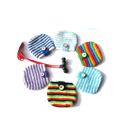 Headphones Cases
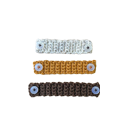 Ear Savers
 Flowers Decorations
 Cups
Cups Accessories
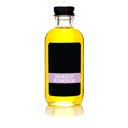 Makeup removal
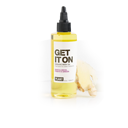 Oils
Oils Scrubs
 Bookmarks
 Stickers
 Thermal paper