

Understanding RTP in Online Slots: A Player’s Guide
Online slots have become increasingly popular, but many players overlook one crucial metric: Return to Player (RTP). Understanding this percentage can significantly impact your gambling experience and help you make smarter betting decisions.
What is RTP?
RTP represents the percentage of all wagered money that an online slot machine returns to players over time. For example, a slot with 96% RTP theoretically returns $96 for every $100 wagered. This doesn’t mean you’ll win that amount in a single session, but rather reflects long-term statistical averages.
Why RTP Matters
Different slots offer varying RTP percentages, typically ranging from 92% to 98%. Choosing games with higher RTP rates gives you better odds of maintaining your bankroll longer. Most reputable online casinos display RTP information in the game details, making it easy to compare options before playing.
RTP vs. Volatility
RTP and volatility are different concepts. While RTP measures payback percentage, volatility describes how often and how much a slot pays out. A high-volatility game might have a strong RTP but offer infrequent wins, whereas a low-volatility slot provides more consistent smaller payouts.
Making Smart Choices
Professional gamblers always check RTP before committing funds. Whether you’re relaxing in comfortable clothing like a Henley Shirt or dressed for an exciting night out, knowing your slot’s RTP helps you gamble responsibly.
Final Thoughts
Understanding RTP empowers players to make informed decisions about their gambling habits. While no metric guarantees wins, choosing slots with higher RTP percentages is a fundamental strategy for improving your overall experience at online casinos. Always gamble within your means and view entertainment as the primary benefit.

 Makeup
 GEL
GEL Oils
Oils Perfumes
 Scrubs
 Headphones Cases
 Mobile Accessories
 Footwear
 Jewelry
 Men’s Clothing
 Sunglasses
 Watches
 Women’s Clothing
 Chocolate
 Honey
Honey Oil
Oil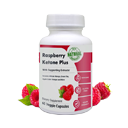 Supplement
 Flowers
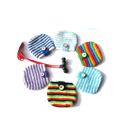 Headphones Cases
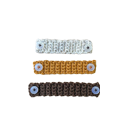 Ear Savers
 Flowers Decorations
 Cups
Cups Accessories
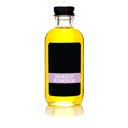 Makeup removal
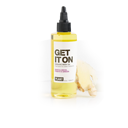 Oils
Oils Scrubs
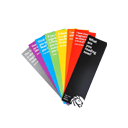 Bookmarks
 Stickers
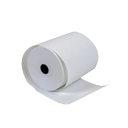 Thermal paper